


Your Guide for Spotting Authentic Salvatore Ferragamo Bags
As counterfeiters sharpen their craft, the divide separating a genuine Salvatore Ferragamo piece from a convincing fake has shrunk on details most shoppers never think to check.
Verification becomes your responsibility whether you happen to be scanning a secondhand marketplace, an auction posting, or a shop claiming to hold excess inventory.
So you can buy with peace of mind whether you’re after a timeless Gancini tote or a fresher design noticed in a ferragamo shop this season, this walkthrough covers the physical, structural, and documentary clues that set authentic items apart from copies.
Ferragamo bags are not cheap, and that price tag is exactly why fakes proliferate. A mid-range Salvatore Ferragamo bag can run well over a thousand dollars, and that markup creates enormous incentive for counterfeiters to replicate stitching, hardware, and packaging. The good news is that authentic craftsmanship leaves fingerprints that are hard to fully copy. Learning to read them takes patience, but it pays off every time you consider a secondhand or discounted purchase.
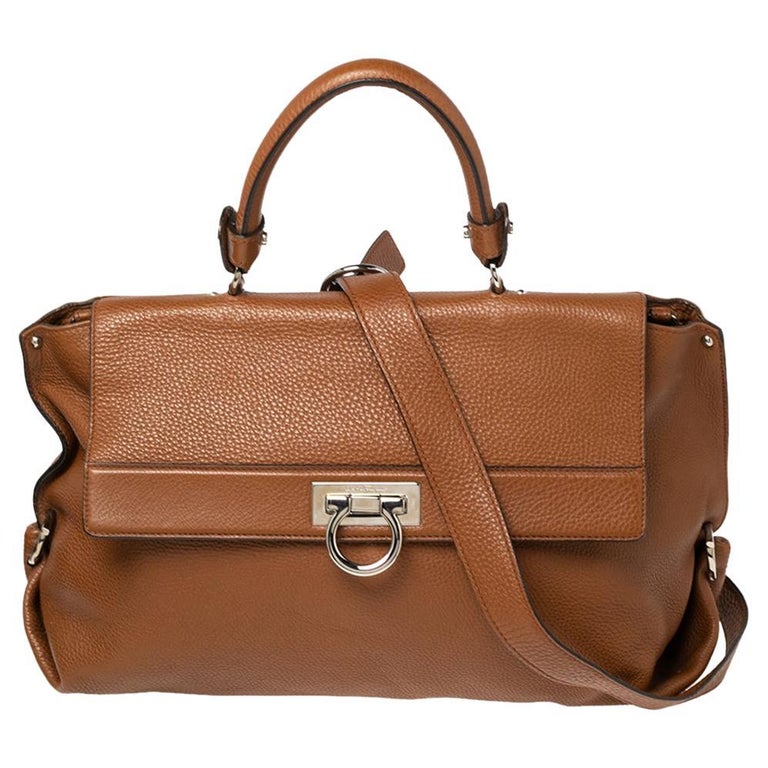
That Gancini Hardware Detail Is Where to Start
That signature Gancini hook , best described as a stylized horseshoe form rendered in hook form, is the brand’s most identifiable signature, appearing on bags, shoes, and belts dating back to when the brand first ferragamo black tote brought it out decades ago. Real examples showcase crisp, even edges and a solidity that feels dense rather than flimsy or lightweight. Fakes often use hardware that looks correct in photos but feels thin, overly shiny, or slightly warped when you handle it in person. Tracing the curve of the hook with your finger, you’ll find that genuine hardware reads as seamless and refined, with no jagged seams from the casting process.
Color consistency matters too. Ferragamo commonly treats its hardware with gold-tone or silver-tone plating which holds up against flaking even after years of use. If you spot discoloration, uneven plating, or a hook that wobbles in its housing, treat that as a red flag. On a genuine Ferragamo bag, the clasp should open and close with a firm, confident click, not a loose rattle. Because duplicating the internal spring tension calls for tooling that the majority of counterfeit factories skip, counterfeiters typically nail the form right but fail on the mechanism’s precision.
Additionally check the point at which the Gancini attaches to the leather or strap. In the production process, genuine construction features reinforced stitching or a metal loop correctly fitted into the leather — never glued on as a quick fix. The hardware component that wobbles, tilts, or has traces of adhesive beneath it is a reliable sign you’ve found a counterfeit instead of a real salvatore bag.
Look Closely at Stitching, Leather, and Lining
Most buyers realize less than what the density and gaps of stitching can disclose. Real Salvatore Ferragamo bags feature tight, even stitching with uniform thread tautness throughout — with no dropped stitches, no exposed thread tails, and no bunching along the seams. If possible, tally the stitches per inch along a straight edge; spacing that’s off by even a stitch or two, commonly indicates factory-line fake construction rather than the controlled production Ferragamo maintains across its factories.
Leather quality is another giveaway. Whether working with fine calfskin or a grained finish, the brand draws on hides with a pronounced grain and soft hand-feel. Imitation bags frequently rely on reconstituted or heavily coated leather that comes across as inflexible, overly glossy, or synthetic to touch. Especially in a brand-new bag, synthetic alternatives tend to smell synthetic or rubbery, while real leather gives off a natural, faintly earthy scent — a contrast smell can help you detect.
Don’t ignore the lining. Authentic ferragamo bags typically use a branded fabric or suede lining with the Ferragamo name or logo woven or printed cleanly, without smudging or misaligned lettering. Loose threads inside pockets, uneven lining seams, or a lining fabric that feels flimsy compared to the exterior craftsmanship all point toward a counterfeit. Pull open every interior pocket and check the base of the bag, since counterfeiters often cut corners in places buyers rarely inspect closely.
Logo Markings, Serial Numbers, plus Packaging: Points to Examine
Each authentic Salvatore Ferragamo bag carries identifying marks, and recognizing where they sit is just as crucial as recognizing their proper look. Most pieces are fitted with a leather-or-cloth marker imprinted with “Salvatore Ferragamo” and “Made in Italy,” generally positioned tucked inside an interior pocket or along a side seam. The lettering ought to be crisp, uniformly spaced, and steady in weight — no smudged outlines, no slanted or unevenly sized letters, which is a typical giveaway in fake imprinting.
Batch or heat-stamped codes, when present, need to align with the layout seen across legitimate manufacturing batches, and the positioning ought to seem intentional rather than carelessly sewn on. When purchasing pre-owned pieces, request from the seller for close-up photos of such labels ahead of sealing the deal, and hold them up alongside authenticated pictures from ferragamo’s official store or an authorized retailer listing. Discrepancies in font, spacing, or label fabric are among the most dependable signs available to everyday buyers.
Packaging matters beyond what people assume. An authentic, brand-new ferragamo bag usually comes packaged with a dust bag crafted from gentle, non-glossy cloth, frequently featuring the label’s hallmark shade, accompanied by care cards and occasionally an authenticity card referencing the style. Lower-grade dust-bag fabric, cardboard tags with the wrong typeface, or altogether absent care instructions are typical giveaways of fake packaging. None of these elements alone guarantees authenticity, but together they build a picture you can trust.
Compare Knockoffs against Genuine: At-a-Glance Rundown
Sometimes it helps to see the differences laid out side by side rather than scattered across paragraphs. The table below summarizes the most common distinguishing points buyers report when comparing counterfeit listings against verified Salvatore Ferragamo bags, based on details consistently flagged in authentication communities and resale platforms.
| Detail | Verified Salvatore Ferragamo | Typical Counterfeit Warning Markers |
|---|---|---|
| Gancini metalwork | Solid casting that’s refined to the touch, with a firm closing click | A clasp that wobbles or closes loosely, cast in thin metal |
| Thread work | Stitch lines that stay even throughout, without dangling thread ends | Irregular gaps, visible thread ends |
| Leather feel | A pliable hand-feel with natural grain and a subtle natural scent | Stiff, glossy, chemical smell |
| Interior tag | A crisp typeface alongside the “Made in Italy” stamp | Blurry or misaligned lettering |
| Dust bag | Soft branded fabric, correct color | Shiny or thin fabric, wrong shade |
| Cost level | Consistent with retail or resale market value | Suspiciously low for the style |
Shopping With Confidence: The Places to Turn
The most secure path is always an authorized ferragamo shop, be it a flagship store or the label’s official online storefront, at which every Salvatore Ferragamo bag is assured to be genuine right off the production line.
Cost is also a telltale clue, even though it can’t be relied on alone. A genuine salvatore ferragamo bag seldom turns up at just a sliver of its typical secondhand worth, so deals that look suspiciously generous tend to be exactly that. Check the model against known best ferragamo bags or top ferragamo bags lists to gauge standard price brackets before you commit, particularly with discontinued styles where rarity might otherwise conceal prices that are either overblown or oddly cheap.
Instead of relying solely on still images—which forgers can edit or angle to hide flaws—when uncertain, request a live video session with the seller so seams, hardware movement, and tags can be seen in real time. Many experienced buyers also hold onto a private set of criteria drawn from a more comprehensive ferragamo bags overview, comparing new listings against known authentic examples they’ve handled or researched previously. Just from that, this practice flags a surprising number of counterfeits prior to the transaction being completed.
Strengthening Customer Confidence for the Long Haul
Recognizing a fake becomes simpler as you handle more authentic pieces, so if a boutique is within reach, take the time to examine a handful up close even if buying isn’t imminent. Feel the weight of the hardware, examine the stitching in strong lighting, and observe how the leather reacts to a gentle flex. That tactile memory becomes your best tool whenever you assess a listing on the internet when direct handling isn’t possible.
Conducting style-specific research is also useful prior to committing to a buy, as many of the finest salvatore ferragamo bags carry construction details unique to their production era. A bag sourced from a past collection might feature distinct lining material or tag positioning compared to a newer release, and being aware of this keeps you from wrongly labeling a real vintage piece as fake merely due to its departure from current manufacturing conventions.
Authentication, in the end relies on spotting consistent patterns formed by various clues such as hardware weight, stitching precision, leather feel, tag accuracy, and packaging quality, instead of a solitary test. No individual check is perfect on its own, but once several details—five or six—match what you’d expect from a genuine Salvatore Ferragamo bag, your confidence in the purchase should be high. Examine each listing in a systematic way, make sure to ask sellers for necessary photos, and avoid rushing a decision at this financial level.